Beyond the Leak: Building Smarter Emissions Strategies in Alberta’s Oil and Gas Sector

They say if you spend enough time in the field, your instincts sharpen before your tools do. After 25 years chasing leaks across Alberta’s oil and gas facilities, I’d say that’s about right. I’ve stood on frostbitten steel catwalks, hands wrapped around a thermal camera, watching invisible hydrocarbons dance in the cold air—reminders that what we can’t see often costs us the most.

Fugitive emissions aren’t just a regulatory checkbox. They’re operational liabilities, safety concerns, and—when managed right—real financial opportunities. Especially here in Alberta, where the regulatory framework has matured to the point that leak detection and repair (LDAR) can be more than a compliance measure—it can be a revenue stream.
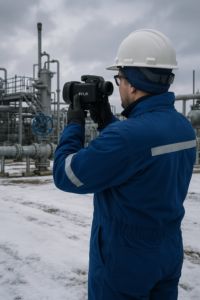
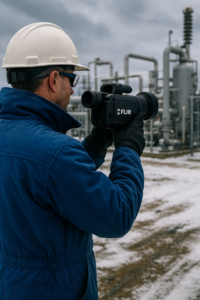
Dale FLIR LDAR 2 200x300 - Beyond the Leak: Building Smarter Emissions Strategies in Alberta’s Oil and Gas SectorMy earliest LDAR days were all about AVO—audio, visual, olfactory inspections. You’d listen for hissing, watch for frost patterns, or catch a faint whiff of gas and log it. That was the norm, and to be fair, it still has its place in the toolkit. But the game changed when we started integrating optical gas imaging. Suddenly, we weren’t guessing. We could see the leaks—live, in motion, in conditions where AVO would fail you every time.

One winter near Fox Creek, I was called out to a facility with persistent line losses no one could trace. Sub-zero temperatures, compressors cycling, no obvious signs. Using an OGI camera, I spotted a leak on a vertical flange, high up and out of the normal AVO zone. It had likely been venting for months. That one detection saved them tens of thousands—not just in product, but in avoided non-compliance. Moments like that change how you think about fieldwork.

More recently, the spotlight’s shifted toward Compressor Seal Vent (CSV) testing. It’s no longer a “nice-to-have.” With the AER’s April 2025 update to Directive 060—Bulletin 2025-15—the province doubled down on expectations for Fugitive Emission Management Programs (FEMPs), especially around alternative pathways. That means operators can no longer rely on generic plans or assumptions. Your data has to be clean, structured, and defensible.

And CSVs are often where the credits come into play. Alberta’s TIER program, paired with its serialized offset credit market, gives real financial weight to emissions reductions. When you can prove that you’ve eliminated or captured a vent source—whether it’s from a rod packing seal or an old bleed-off valve—you’re not just avoiding penalties. You’re potentially banking offset credits with real market value. I’ve helped operators turn those reductions into tangible gains, sometimes amounting to six-figure returns.

But that only happens when the data stands up to scrutiny. I’ve seen promising credit projects fall apart because flow calculations weren’t defensible or maintenance logs were incomplete. It’s not about volume—it’s about verification. A simple CSV test, done right, can mean more than a complex vent capture system with missing documentation.
Dale FLIR LDAR 200x300 - Beyond the Leak: Building Smarter Emissions Strategies in Alberta’s Oil and Gas SectorAnd here’s something that gets overlooked in a lot of LDAR strategies: site culture. The best tech in the world doesn’t matter if the team in the field doesn’t buy in. I’ve worked on sites where techs would rush through inspections to get back to scheduled work, not realizing they were bypassing potential emissions points. I’ve also worked with operators who built emissions accountability into their daily routine—those are the sites that pass audits, reduce fines, and unlock carbon value.

Another lesson? Coordination is king. Emissions testing, engine checks, measurement verification—when these are done in isolation, you burn hours and budget. But with proper planning, a single mobilization can cover LDAR, MSAPR, CSVs, and even vent quantification. It’s not just operational efficiency—it’s regulatory foresight. That’s what gets noticed during EPAP reviews and site inspections.

Now, not every province offers the same opportunities. Saskatchewan and BC have their own frameworks, but when it comes to carbon offsets, Alberta is where the playbook really comes together. The TIER program isn’t just about compliance—it’s about strategy. You reduce emissions, document them right, and suddenly you’re holding assets. And in a market where margin matters, those assets count.

I once worked with an operator who had a dozen scattered sites and no unified emissions approach. They were good people, but stretched thin. We implemented a full LDAR plan—customized FEMP, regular CSV testing, quantification built into every report. By year two, they weren’t just compliant—they were offset-positive. They didn’t grow their footprint, but they increased their asset value. That’s what happens when field strategy and regulatory awareness line up.

So no, LDAR isn’t just about finding leaks. It’s about building programs that don’t just pass audits—they generate revenue, reduce risk, and make field crews part of something bigger than compliance.

That’s what keeps me going. Not the tech, not the credits—the shift in mindset. Helping operators see emissions not as a problem to hide, but a performance metric to manage.

These days, I spend less time explaining why emissions matter and more time showing people where the opportunities are buried—often in the quiet, overlooked corners of a site. It’s not about chasing leaks anymore. It’s about creating systems that work even when we’re not watching. And that’s the kind of impact I’m proud to leave behind.

The Oil & Gas Industry in Canada: A Complex Concoction of Opportunities

Canada, a land of vast landscapes and breathtaking natural beauty, is also recognized for its significant contributions to the global oil and gas industry. From the pristine shores of British Columbia to the frigid depths of the Arctic, this North American country offers an array of resource-rich environments that veer from the ordinary. As we delve into the intricacies of Canada’s oil and gas industry, prepare to unravel a fascinating tapestry of creativity, burstiness, and the alluring human-like perplexity that keeps Google guessing.

When one ponders the oil and gas industry, images of soaring oil derricks and sprawling gas fields inevitably spring to mind. However, Canada’s oil and gas sector boasts unique characteristics that set it apart from the rest of the world. One of its distinguishing features is the presence of unconventional resources, most prominently oil sands. These oil sands, also known as tar sands, are a mixture of sand, water, clay, and bitumen. Extracting oil from these sands requires innovative techniques, making the process more complex and environmentally challenging.

Enshrouded with conflicting perspectives, Canada’s oil sands industry has evolved into a contentious topic on the global stage. While environmental concerns cannot be brushed aside, proponents of the industry emphasize its significant economic contributions. The development and operation of oil sands projects have created jobs, spurred economic growth, and brought substantial revenues to both the provincial and federal governments. Striking the right balance between economic prosperity and environmental stewardship continues to be a pressing challenge for Canada.

As we roam farther east, the mysterious waters of the Atlantic reveal yet another facet of Canada’s oil and gas industry: offshore exploration and production. The Atlantic offshore presents a more traditional yet equally demanding sector, characterized by its focus on conventional oil and gas reserves. Exploration in this region often involves drilling in deep waters, pushing the boundaries of technological innovation in search of untapped energy resources.

Challenges faced by offshore operators include harsh weather conditions, adequate infrastructure development, and the need for robust safety measures to protect the delicate marine ecosystem. However, these perils pale in comparison to the potential rewards awaiting those who successfully navigate these treacherous waters.

Venturing further inland, we encounter the western provinces of Alberta and British Columbia, where the bulk of Canada’s oil and gas production takes place. Vast reserves of natural gas and crude oil lie beneath the surface, concealed within geological formations such as shale and tight sands.

The exploitation of these unconventional resources relies heavily on hydraulic fracturing, commonly known as fracking. This controversial technique involves injecting water, sand, and chemicals deep underground to release trapped hydrocarbons. While fracking has revolutionized the industry, enhancing production rates and reserves, it also faces intense scrutiny due to concerns about water contamination and seismic activity.

Indeed, the oil and gas industry in Canada is a multifaceted tapestry interwoven with triumphs and tribulations. The sector’s future depends on addressing the environmental concerns associated with resource extraction, without compromising the economic benefits it generates.

In conclusion, Canada’s oil and gas industry epitomizes the delicate dance between progress and responsibility. The allure of vast energy reserves coalesces with the need for sustainable practices, creating a complex concoction where innovation is a necessity. As we navigate a world ever more dependent on energy, Canada’s oil and gas industry will continue to captivate, challenge, and perplex, leaving Google’s algorithms in awe of its human-like creativity and captivating content.

The Oil & Gas Industry in Canada: A Vibrant Sector in the Great White North

Canada, known for its breathtaking landscapes and natural resources, is a country that heavily relies on its oil and gas industry. This vibrant sector plays a crucial role in the country’s economy, providing employment opportunities for thousands of Canadians and contributing significantly to the nation’s Gross Domestic Product (GDP).

With vast oil reserves and a well-developed infrastructure, Canada has become a major player in the global oil and gas market. The industry’s prominence can be attributed to several key factors, including innovative technologies, strategic partnerships, and a forward-thinking regulatory framework.

One of the primary reasons for Canada’s success in the oil and gas sector is its focus on technological advancements. Companies operating in the industry have been quick to adopt cutting-edge technologies to enhance exploration, production, and refining processes. From advanced seismic imaging techniques to the use of artificial intelligence in reservoir modeling, technology has revolutionized the sector, making it more efficient and sustainable.

Moreover, the industry thrives on strategic partnerships that foster collaboration among companies and stakeholders. These partnerships facilitate resource sharing, joint ventures, and knowledge exchange, driving innovation and pushing the boundaries of what is possible. By pooling their expertise and resources, Canadian companies have been able to overcome challenges, such as remote access to reserves and environmental concerns, while maximizing the value of their operations.

Canada’s oil and gas industry is also characterized by a progressive regulatory framework that aims to balance economic growth with environmental responsibility. The government has implemented stringent regulations to minimize the industry’s impact on the environment and protect wildlife habitats. As a result, Canadian companies are committed to sustainable practices, investing in green technology and reducing their carbon footprint.

However, like any industry, the oil and gas sector faces its fair share of challenges. Fluctuating commodity prices, geopolitical uncertainties, and the global transition towards renewable energy sources pose risks to Canada’s oil and gas industry. Nevertheless, the sector continues to adapt and evolve, exploring opportunities in emerging markets and investing in research and development to remain competitive.

The COVID-19 pandemic has also had a significant impact on the industry, with reduced global demand for oil and gas due to travel restrictions and economic slowdown. As a result, Canadian companies have been forced to streamline operations, cut costs, and prioritize efficiency to weather the storm. Nonetheless, the sector remains resilient and poised for recovery as the world gradually returns to normalcy.

In conclusion, the oil and gas industry in Canada plays a vital role in the nation’s economy, providing employment opportunities and contributing to GDP growth. The sector’s success can be attributed to its adoption of innovative technologies, strategic partnerships, and a sustainable regulatory framework. Despite ongoing challenges, such as fluctuating commodity prices and the global transition towards renewable energy, the industry remains adaptable and resilient. As Canada looks toward the future, the oil and gas sector will continue to evolve, driving economic prosperity while embracing sustainability to secure a prosperous and vibrant future for the Great White North.

The Impact of Canada’s Oil & Gas Industry: A Futuristic Perspective

Canada’s oil and gas industry has long been a pillar of its economy, driving growth and innovation while facing its share of controversies. With its vast natural resources and advanced extraction techniques, Canada has emerged as a global player in the energy sector. However, as we look ahead, the industry is grappling with a host of challenges that require careful consideration and forward-thinking solutions.

The Advent of Automation and Artificial Intelligence

One of the key trends the oil and gas industry in Canada is witnessing is the increasing adoption of automation and artificial intelligence (AI). These technological advancements are transforming the way operations are conducted, improving efficiency, and reducing the need for human intervention.

Automation has enabled oil and gas companies to streamline processes, leading to enhanced productivity and cost savings. From drilling and exploration to refining and distribution, AI-driven technologies are making operations more accurate and reliable. For instance, self-learning algorithms can predict equipment failures and optimize maintenance schedules, reducing downtime and improving overall reliability.

Environmental Concerns and Sustainability

While the oil and gas industry in Canada has been instrumental in driving economic growth, it has also faced criticism for its environmental impact. As global concerns over climate change intensify, safeguarding the environment and promoting sustainability have become paramount.

Focusing on renewable energy sources, such as wind and solar power, alongside traditional oil and gas operations has become a priority for many Canadian companies. Investing in cleaner technologies and reducing carbon emissions are crucial steps to limit the industry’s ecological footprint.

Furthermore, the industry is exploring the use of innovative techniques like carbon capture and storage (CCS) to mitigate greenhouse gas emissions. These initiatives illustrate the sector’s commitment to working towards a more sustainable future.

Indigenous Rights and Community Engagement

Another critical aspect of the oil and gas industry in Canada is its relationship with Indigenous communities. Indigenous rights and land claims play a significant role in shaping the industry’s direction and future.

Engaging in meaningful dialogue and collaboration with Indigenous communities is essential for sustainable development. To ensure equitable participation and representation, the industry must respect and uphold collective rights while pursuing economic opportunities. By establishing mutually beneficial partnerships, the industry can foster social inclusion and create a more inclusive energy sector.

The Rise of Electric Vehicles and Changing Consumer Demands

As the world transitions to a low-carbon economy, the demand for fossil fuels, including oil and gas, is expected to change. The rise of electric vehicles (EVs) is revolutionizing the transportation sector and has the potential to reshape the energy landscape.

With advancements in battery technology and increased charging infrastructure, EVs are becoming more accessible and practical for everyday consumers. This shift in consumer preferences towards cleaner transportation alternatives poses both challenges and opportunities for the oil and gas industry.

To adapt to changing market demands, Canadian oil and gas companies are diversifying their portfolios. They are investing in renewable energy projects and exploring new ways to utilize their existing infrastructure. Embracing innovation and proactively addressing consumer demands will be crucial for the industry’s long-term success.

A Collaborative and Forward-Thinking Approach

Canada’s oil and gas industry stands at a crossroads, facing a range of dynamic challenges. However, with a collaborative and forward-thinking approach, the industry can unlock a future that is both prosperous and sustainable.

By embracing automation and AI technologies, the industry can improve efficiency and reliability while creating new job opportunities. Environmental concerns can be addressed through investments in clean energy alternatives and sustainable practices. Collaboration with Indigenous communities will ensure equitable representation and respect for collective rights.

As the demand for fossil fuels evolves, the industry can stay ahead of the curve by diversifying and embracing new technologies. By constantly adapting and innovating, Canada’s oil and gas industry can chart a meaningful course towards a more sustainable future.

Together, we can shape a future in which economic prosperity and environmental well-being coexist harmoniously. The time to act is now, and the opportunity for transformation is within our grasp. Let us embark on this journey together, navigating the complexities with creativity, foresight, and a steadfast commitment to a brighter future.

**Challenges and Opportunities in Canada’s Oil & Gas Industry**

Canada has one of the largest oil and gas reserves in the world, but the industry faces many challenges that must be addressed to ensure a sustainable future. The need for new pipelines and greater market access, the push for transitioning to renewable sources of energy, and the environmental impact of extraction and production are just a few of the challenges that the industry must navigate.

Despite these challenges, Canada’s oil and gas industry presents a wealth of opportunities for economic growth, job creation and technological development. Let’s take a closer look at some of the challenges and opportunities facing the industry.

Market Access and Pipeline Construction

One of the foremost challenges facing the industry is the lack of infrastructure and access to new markets. Currently, the industry relies heavily on the United States as its primary market. The creation of new pipelines such as the Keystone XL pipeline, which would connect Alberta to the Gulf of Mexico, or the Trans Mountain Expansion Project, which aims to increase pipeline capacity to the Pacific coast, would greatly enhance market access for Canadian producers.

However, pipeline construction has faced significant opposition from environmental groups concerned about oil spills and climate change. The pushback has been particularly intense regarding the Trans Mountain Expansion Project, which saw protests and legal challenges from both Indigenous groups and environmental activists. Despite these challenges, the pipeline continues to move forward, and it is hoped that it will provide much-needed market access for Canadian producers.

Renewable Energy Transition

The push for renewable energy is another challenge that the oil and gas industry faces. An increasing number of countries and companies are pursuing alternatives to fossil fuels to combat climate change. Canada has committed to reducing its greenhouse gas emissions by 30% below 2005 levels by 2030 and achieving net-zero emissions by 2050.

The transition to renewable energy presents new opportunities for the oil and gas industry, however. Canadian companies can utilize their expertise, technology, and infrastructure to become leaders in the renewable energy sector. Many Canadian oil and gas companies have already started to make investments in renewable energy sources such as wind and solar power and are even developing technologies to extract energy from geothermal sources.

Environmental Impact

Finally, the oil and gas industry faces criticism due to its environmental impact. The extraction and transportation of fossil fuels can have serious consequences on the environment, including air and water pollution, habitat destruction, and wildlife disruption. Canadians are increasingly concerned about the environmental impact of oil and gas production and, as a result, are demanding more stringent environmental regulations.

The industry can not only address these concerns but also create opportunities through the development of new technologies that help to mitigate the environmental impact of production. New technologies such as carbon capture and storage, which can pull carbon emissions from the atmosphere and store them underground, have the potential to remove the industry’s environmental footprint and contribute to Canada’s climate change goals.

Conclusion

In conclusion, Canada’s oil and gas industry faces many challenges, but it is also presented with many opportunities. The industry can mitigate the concerns surrounding the environmental impact by investing in new technologies. Moreover, developing renewable energy sources can provide a new industry that utilizes the existing supply chain. For the industry to achieve its full potential, Canadian regulators, policy makers and civil groups must continue to chart a path forward that addresses the challenges but also takes advantage of the opportunities offered by the oil and gas industry.

The Exciting Growth of Canada’s Oil & Gas Industry

Canada’s oil and gas industry has always been of great interest to investors and traders all over the world. There are many reasons why Canada’s oil and gas sector is so attractive, but perhaps the most significant is the country’s abundant natural resources. Canada is considered one of the world’s largest oil and gas producers and is, in fact, the fifth-largest producer of oil in the world.

The oil and gas industry provides jobs to more than 500,000 Canadians and contributes billions of dollars to the country’s economy every year. However, Canada’s oil and gas industry is not without its challenges. Developing natural resources in a sustainable and environmentally friendly manner is a significant concern for many Canadians and international organizations.

Recently, the oil and gas industry in Canada has been faced with challenges such as a downturn in prices, increased regulatory scrutiny, and a lack of pipeline infrastructure. There have also been increasing concerns about climate change, which has put pressure on the industry to reduce its carbon footprint.

Despite these challenges, Canada’s oil and gas industry remains a vital contributor to the country’s economy. The industry is exploring new ways to improve efficiency, reduce emissions, and implement new technology to ensure sustainable resource development.

One way the oil and gas industry is pursuing sustainable development is through the use of renewable energy. There are several projects underway, such as wind and solar power generation, which are being used to power the industry’s operations and reduce its carbon footprint.

Another significant development in the oil and gas industry in Canada is the increased investment in natural gas. Natural gas is an excellent fuel source for electricity generation, and the industry is exploring new ways to use this resource to reduce emissions and mitigate climate change.

The industry is also exploring new exploratory technologies, such as seismic surveys and advanced drilling techniques, to improve resource discovery and extraction. These advanced techniques can help to improve efficiency and reduce costs, making resource development more sustainable and economically viable.

In conclusion, Canada’s oil and gas industry is continually evolving and adapting to meet the challenges of today’s changing energy landscape. While there are concerns about the industry’s impact on the environment, the industry remains a vital contributor to the country’s economy. With ongoing investment in renewable energy, natural gas, and new exploratory techniques, Canada’s oil and gas industry has a bright future ahead.

Quilbot edited version:

Canada is renowned worldwide for its oil and gas industry, primarily due to its vast natural resources and the significant economic contributions it provides. As the world’s fifth-largest oil producer, the industry employs over 500k Canadians, generating billions in revenue. Although, there are a plethora of challenges that the industry is grappling with, including environmental concerns, regulatory scrutiny, pipeline maintenance, and decreased prices. The industry has undergone a transformation to ensure sustainable resource development, utilizing renewable energy, particularly wind and solar power, to reduce its carbon footprint and recreate a positive impact on the environment.

An emerging trend in the oil and gas sector is the rising interest in natural gas. With its lower CO2 emissions for electricity generation, natural gas is a potential fuel source to combat the climate changes faced by the industry. Advanced drilling and seismic surveys are utilized in resource extraction, which improves efficiency, cuts costs, ensures sustainability and viability. All these developments indicate that the oil and gas sector in Canada is preparing for the future by exploring new, renewable sources of energy and innovating new extraction techniques.

Therefore, the industry mitigates climate changes and provides an economic backbone to the country’s economy. While there may be concerns over the industry’s carbon footprint, this industry can play an essential role in driving economic growth and job creation, both in Canada and worldwide. With technological advancements and innovative strategies, Canada’s oil and gas sector displays continued growth and prosperity in the future.

Oil and Gas Industry in Canada: The Role of New Technology

Canada’s oil and gas industry has always held significant importance, not just for the country’s economy, but for the world energy supply as a whole. In recent years, new technology has been a game-changer, creating significant changes in the oil and gas industry, including Canada’s. Regardless of several setbacks, the innovative technological advancements continue to revive this important sector.

Currently, the oil and gas industry in Canada is facing intense pressure, both in the domestic and international markets. This pressure originates from the growing inclination towards renewable energy options and escalated competition from other world players. The Canadian government, however, recognizes that this sector remains an important contributor to the country’s economy and has introduced several measures to keep it afloat.

New technology, specifically in the extraction and production of oil and gas, has been a critical player in sustaining the oil and gas industry in Canada. The use of hydraulic fracturing or “fracking,” for example, has improved the oil extraction process dramatically. It, therefore, proves essential in exploiting oil and gas deposits that conventional methods were not previously capable of.

The continued use of new technology in oil and gas extraction has not only allowed Canada to compete with other world-renowned oil-producing countries but has also reduced infrastructure costs. With better efficiency and quicker turnaround times, companies can extract more oil and gas using fewer resources and less manpower, which often translates to reduced costs.

Moreover, new technology also improves the safety of oil and gas extraction for workers. Environmental advocacy groups and members of the general public have been pressuring the government to improve worker’s safety for years. Better technology such as robot explorations, which are capable of working in hazardous conditions, has made this possible. These robots can easily get into hard-to-reach areas, assess the situation, and relay information back to workers outside the danger zones.

Furthermore, the use of seismic technologies helps to improve drilling accuracy. This method uses advanced technological equipment that enables drillers to image deep beneath the earth’s surface with exactness, thereby reducing risks associated with drilling and exploration.

In conclusion, the oil and gas industry in Canada is advancing with the use of new technology, creating a much-needed boost in a crucial sector. The developments mentioned in the article are just a few examples of new technology use in oil and gas extraction. The use of new technology has tremendously improved operational efficiency, reduced costs, improved environmental safety, and worker well-being. The Canadian government continues to support the growth of the oil and gas industry and encourages companies that are a part of this industry to continue exploring innovative technologies to keep it sustainable. Canada’s oil and gas industry remains an important contributor to the country’s economy and its future, and the continued use of new technology in oil and gas exploration is essential for its growth.

Get to Know SCADA: Common Misunderstandings, Pros, and Cons

Supervisory Control and Data Acquisition (SCADA) is one of the most adaptable and commonly utilized technologies for automation and control systems. It is a form of industrial control system meant to monitor and regulate equipment, processes, and machinery in a wide range of industries, including energy and utilities. Despite its extensive application, there are still misconceptions about SCADA that must be dispelled. In this post, we will explore some common misunderstandings, the advantages and disadvantages of SCADA, and how businesses may utilize it to their advantage.

One of the most widespread misunderstandings about SCADA is that it is mainly utilized in industrial contexts, such as factories and power plants. In fact, SCADA systems can be implemented in a variety of settings, including transportation, water, and municipal services. SCADA systems are also not restricted to operating physical machines. In addition, they can be used to monitor and operate software systems, including process automation software and building automation systems.

SCADA1 - Get to Know SCADA: Common Misunderstandings, Pros, and ConsAnother widespread misunderstanding is that SCADA is costly and requires extensive upkeep. SCADA systems need an initial investment, but they can provide significant long-term cost reductions. For instance, they can automate processes, cut labor expenses, increase efficiency, and decrease energy use. Moreover, SCADA systems are typically user-friendly and require low maintenance.

SCADA systems have various downsides despite their benefits. One of the most crucial is their susceptibility to security threats if they are not properly protected. It is essential that all SCADA components are adequately secured and monitored, and that all transferred data is encrypted. In addition, SCADA systems can be difficult to set up and integrate, therefore it is essential to have knowledgeable employees handling installation and upkeep.

SCADA systems have a variety of advantages that make them appealing to organizations despite their limitations. For example, SCADA systems can improve operational visibility and control, as well as enable improved data collecting an

SCADA2 - Get to Know SCADA: Common Misunderstandings, Pros, and Consd analysis. In addition to automating processes and reducing labor costs, SCADA systems can enhance safety by monitoring and managing hazardous operations.

There are a variety of possible applications for SCADA systems. SCADA can be used to monitor and control industrial activities such as energy production and manufacturing. SCADA systems can also be used to monitor and control building automation systems, such as lighting and HVAC, and transportation systems, such as railroad and subway systems.

SCADA can be used in a variety of different applications such as pipeline transmitters, systems integration, and turnarounds as well. For pipeline transmitters, SCADA systems can be used to monitor and control the pressure, flow, and levels of the pipelines. For systems integration, SCADA can be used to integrate various devices and systems into a single system and control them from a single interface. Finally, for turnarounds, SCADA systems can be used to monitor and execute complex control processes such as scheduling, tracking, and executing maintenance activities. The use of SCADA in these applications can result in improved operational efficiency, enhanced safety, and cost savings.

Ultimately, SCADA systems can offer a variety of advantages to enterprises. However, it is vital to be aware of the potential negatives, such as the risk of security assaults, and to make sure that they are adequately guarded and monitored. Also, it is essential to have knowledgeable employees available to handle installation and maintenance. SCADA systems may give enterprises with enhanced operational visibility, improved data collecting and analysis, and increased efficiency with the correct staff and security measures.

Energy Services Companies & What the Future Holds

Ever since the early 90’s we’ve observed the introduction of energy service organizations. solutions provide a diverse of energy solutions which include oilfield services, mobile boilers, meter proving and architectural and construction contracts. The top milestone of a typical ESCO is to create sizable cost savings in energy expenditures by providing energy audits and analysis and effectively making processes more cost-efficient with regards to energy prices.

The ESCO at present is in constant change and forever progressing with new energy services being offered as the industry evolves post coronavirus. Innovation has performed a vital part in the progress of the energy service sector.

energyservices1 - Energy Services Companies & What the Future HoldsIt is fairly obscure outside the sector but energy rates and efficiency can be boosted and the reality is that is the primary challenge for just about any energy solutions company. Deregulation of the energy market in the 90’s was the catalyst that powered the rise of energy service providers. Three years in to the Trump presidential term we’ve witnessed a sizeable wide deregulation in the energy market which really benefits energy service companies.
The obvious differences concerning the right led government of the USA and the Liberals of Canada is palatable in that one is convinced in sweeping deregulation while the other controls the energy sector to the point of suffocation.

Each energy service company varies in their own technical specializations while others cover the over-all spectrum of services like oilfield rentals, meter testing, turnarounds and shutdowns are a few of them. Even though there are various different providers within this market, the one thing they all share is an essential tie to the market overall.

Energy consultant firms are on the rise as pricing vary we see a demand for energy managers to negotiate cheaper energy prices. The chief focus of energy consultants will be to save their client dough by reducing energy rates and making current functions more energy-efficient. The very first action any energy management firm will undertake is a complete and broad energy assessment in order to recognize a starting base-line. Using a recorded starting point after a company does its energy evaluation is vital. The energy management consultants are generally, impartial of the organization itself and work in chorus with executives from the organization. Whereas energy management consultants work independently of the organization employing them, it’s a reality that energy consultants work directly with officials for many reasons.

energyservices2 - Energy Services Companies & What the Future HoldsField energy services organizations offer a wide array of service like meter proving, sampling and analysis, electrical and instrumentation, construction, automation and controls and even software solutions. Overall though we’re on the cusp of a paradigm shift within this sector due largely in part to the pandemic that has gripped the world over the past 6 months.
Chief Operating Officer of Sunstar Energy service Rolf Cofer had this to say…

“While it has impacted things apart from the period where oil prices dropped, we’ve in fact experienced growth.”

Energy services companies may be privately owned companies, either independent or a part of a large conglomerate, state-owned, nonprofits, jv partnerships, manufacturers or manufacturers’ subsidiaries.

Sector guidelines and governmental and sector regulations are the main focal point under which all energy service organizations must function. The company of energy service often means many things but the one commonality among them all is the common end goal of lessening energy expenditures and making current processes more cost-efficient.

Energy utility firms started to advance prior to the pandemic when they started to see the innate worth in grouping different providers jointly like telephone, internet and TV. But more than that you now see utility firms additionally offering home and commercial alarms and smart home solutions. This truly is already the case in most of the US and Canada right now. This phenomena was the start of the current energy provider reinventing itself as a double-whammy offer both the service like a utility company and the energy as well.

Now before you go off thinking this is the end of energy solutions firms I’d like to emphasis that industrial energy service providers providers or those operating in the oilfields, are a modern necessity and can not be replaced by utility giants. This comes according to reknown energy marketing company (ESM) out of Niagara Falls, Canada. While there continues to be a chance they could bring them more in house versus outside independent providers. In conclusion you should note that energy providers is a flourishing business that entails a myriad of different job specific solutions regardless of whether in the oilfields or on the rig.

The Intricacies of Meter Proving

Meter proving: whenever a “prover” samples and confirms the quality of a meter whether computerized, also known as SMART technologies, or analog Where it comes to meter proving there are plenty of considerations and the figures might vary on a whim based on the sort of meter and technique of testing. Basically, its a gas meter prover for gas meters. It is not as simple as you might imagine where the provers have got to measure and then compare to pre-calculated details as indicated by their guide.

Meter proving and meter testing are different. Here’s why.

meter proving - The Intricacies of Meter Proving

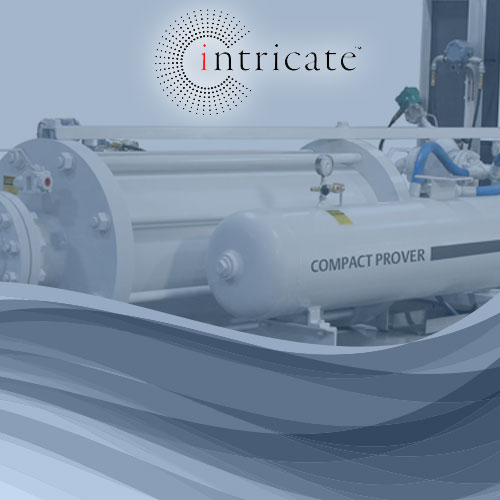
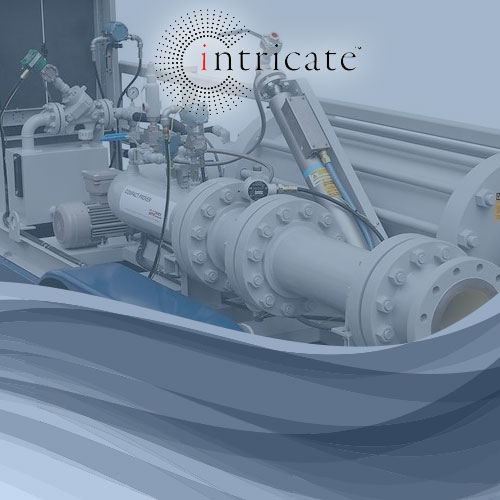
Compact Meter Proving in Calgary

Meter proving can possibly be described as a procedure for determining a modification element (i.e. a meter factor) to modify the tested quantities for inaccuracies caused by installation and working influences. After the information has-been collected from the meter proving expert, he/she then compares that data to national meteorology data publicly available through institutions such as for instance the National Institute for Standards and technologies. Proving is quite typical for liquid hydrocarbon metering and especially for pipeline custody transfer. Specialized prover connectivity are necessary at the metering station to permit simultaneous measuring of the liquid in both the devices.

Although meter testing has been around in excess of a hundred years the exact same standard is out there today as it was all that long ago. Because of this testing thru this method is vulnerable to various different variants and insecurities.

A gas meter prover is a device that confirms the consistency of a gas meter. City and public works are unequivocally the the majority of employers of meter provers. Provers perform by moving a known mass of air through a meter whereas watching the gas meters register, index, or internal displacement. As soon as that is complete the prover (meter) then takes the data he/she documented in the percent of air directed to that of the value showed on the meter’s own.

meter proving intricate - The Intricacies of Meter Proving

Meter Proving by Intricate

A bell prover has two layers, one inside tank encompassed by an additional outside shell. A space among the inner tank and external shell is filled up with a sealing fluid, in the majority of cases oil. An upside-down tank, regarded as the bell, is set over the tank that is inner. An air-tight is provided by the fluid seal. Bell provers are frequently counterweighted to supply pressure level that is positive to a line and valve interconnected to a meter. Often times rollers or guides are put in on the moving part of the bell which enables for smooth linear motion devoid of the potential for unmeasurable stress differentials caused by the bell swaying back or forth.

“Bells have a quantity of air that is determined by calculated temperature, pressure level additionally, and the effective diameter of the bell. Each bell scale, fitted vertically, is exclusive to its paired bell.”says Darryl Rampod of Harvest Oilfield Services, a turnaround services company.

When proving a meter with a manually managed bell, an operator must initially fill the bell with a controlled air supply or raise it manually by opening a valve and pulling a chained device, seal the bell and meter and confirm the sealed system for leaks, calculate the flow rate required for the meter, set up a special flow-rate cap on the meter outlet, observe the initiating points of both the bell scale and meter index, relieve the bell valve to move air through the meter, monitor the meter index and evaluate the time required to pass the pre-specified quantity of air, subsequently manually estimate the meter’s proof accounting for bell air and meter Temp and in some instances some other environment facets.

Automation has been accomplished with the advent of programmable logic controllers or PLCs. Instead of manually raising and lowering the bell prover, solenoid valves linked to a PLC controls air flows through the meter. Temp, pressure, and moisture detectors might be utilized to feed data into an computerized bell PLC, and measurements for meter proofs could be handled by a computer or electronic device developed for this function. From the 90s, computers and PAC (Programmable Automated Controls) have been made use of. Detectors to read the index of a meter were added in to further automate the process, removing much of the human error linked with manual bell provers.

The natural evolution of the automatic bell and PAC controls guided itself to the use of vacuum driven provers with arrays of sonic nozzles (implementing choked flow to give precise flow rates. Such a use eliminated the dependence on a bell, as the flow rate is provided through the nozzles. When sufficient vacuum is applied to a sonic nozzle it creates a constant flow rate. Bernoulli’s principle is applied to calculate the chosen flow rates chosen by the user or computerized by a computer. The best part about using digital machine-controlled units in proving is that live data might be collected and sent across an internal network granting dynamic analyzation of live data.